
Next-generation fruit scanning has arrived.
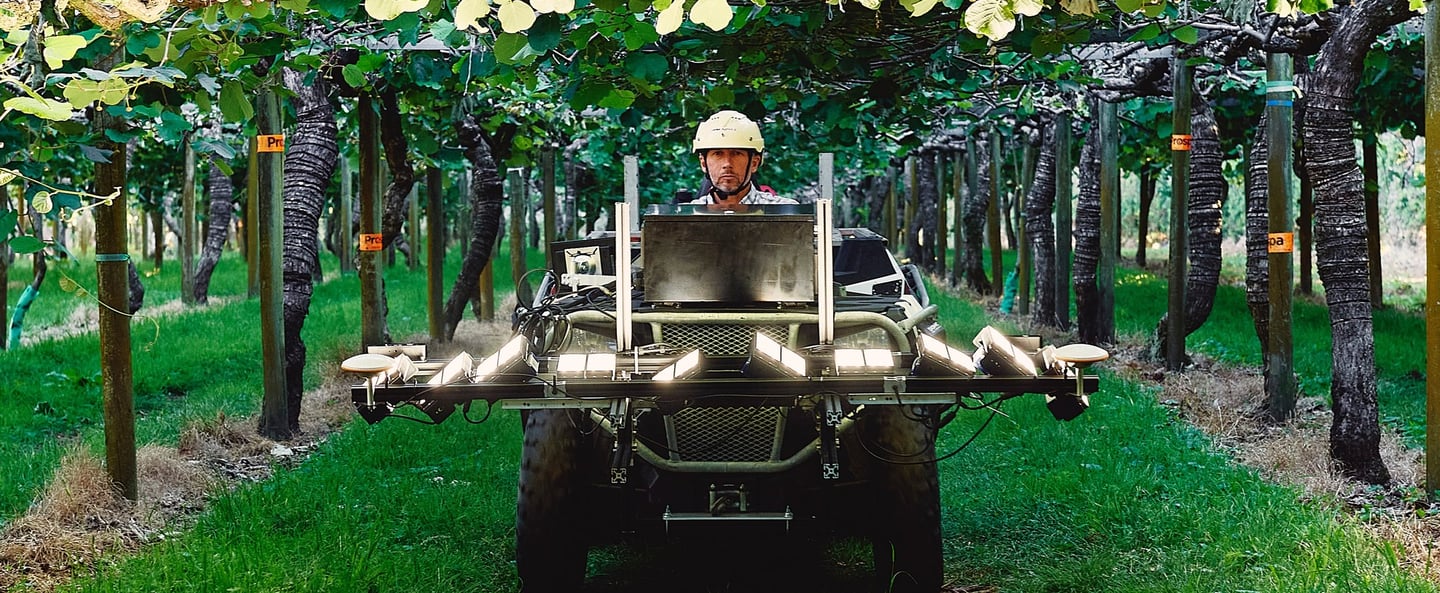
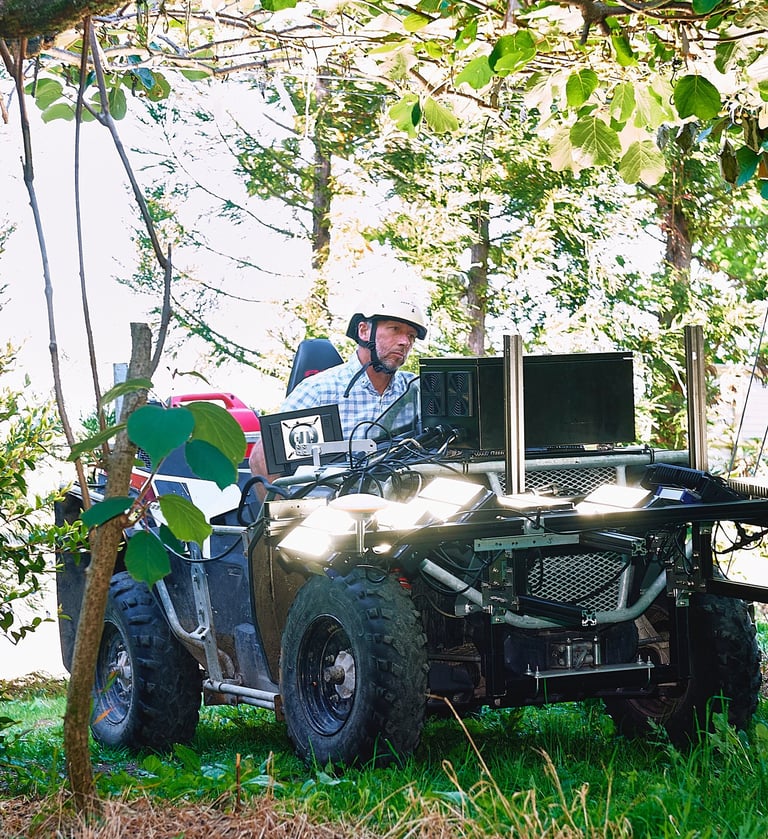
Be one of the first orchards in New Zealand to run with AI-powered thinning precision.
Complex heat maps are a thing of the past. At Kiwi Robotics, we offer precise thinning zones, accurate measurements, and clear priorities, so your crews know where to thin — and in what order.
Not just another heat map:
a practical action plan, row by row
crew-ready outputs anyone can follow
designed for large-scale operators.
What sets Kiwi Robotics apart is the intelligence behind the system. While the hardware — including 3D cameras, GPU processing, and GPS-RTK positioning — enables the scan, the real advantage is the AI that powers it. decision-making. Our team of expert AI developers with deep expertise in horticultural automation and robotics continuously builds and refines our platform, serving both New Zealand and international growers. This constant evolution delivers capabilities that competitor systems simply don't have—giving growers clearer insights and more confident decision-making.
As a result, our technology offers a level of precision that eliminates guesswork in thinning. Instead of standard fruit-density heat maps that deliver a visually cluttered and colour-saturated picture making it difficult for workers to identify where action is actually needed, our targeted heat map strips away the noise and highlights only the high-density zones that workers need to address.

The AI shows you what’s happening and prioritises the highest-impact thinning zones first, ensuring your teams always focus on areas that will have the greatest effect on your crop outcomes.
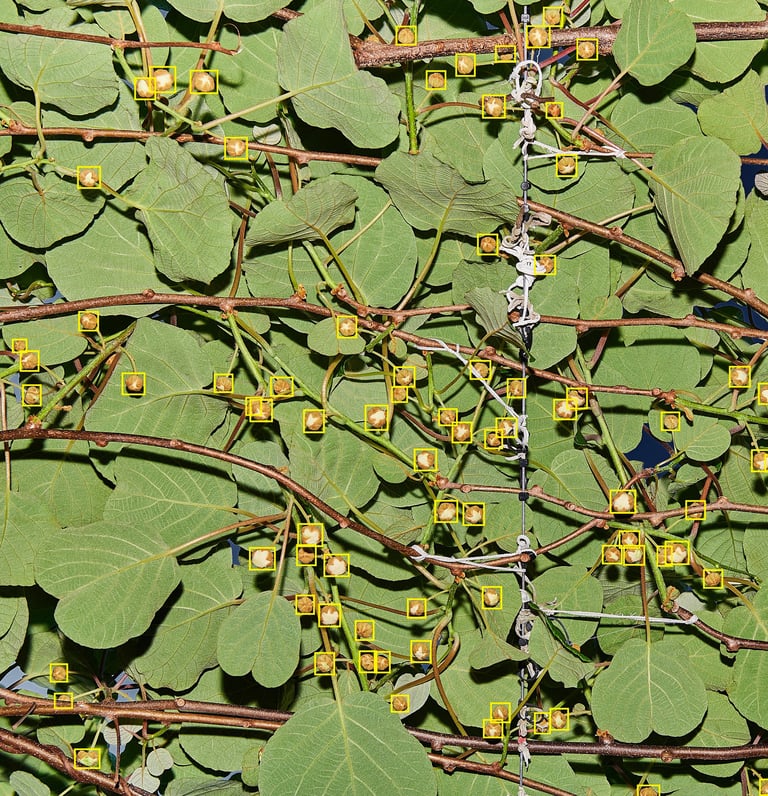
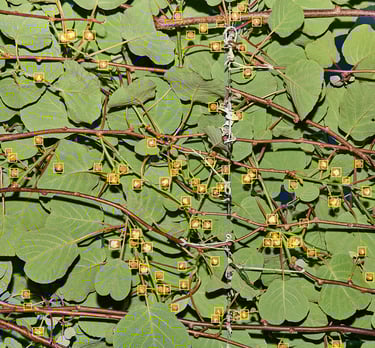
Every plan also includes estimated hours upfront, providing you with the labour clarity needed to schedule crews confidently and avoid costly delays. And because Kiwi Robotics is built on an active innovation pipeline, you’re not purchasing a static tool — you're stepping into a platform that continually updates and evolves, season after season.


"This is the next step beyond heat maps and a major advantage for early adopters”
- Mike Steele, Director
Contact
Email: info@kiwirobtics.nz
Phone: 07 243 2211